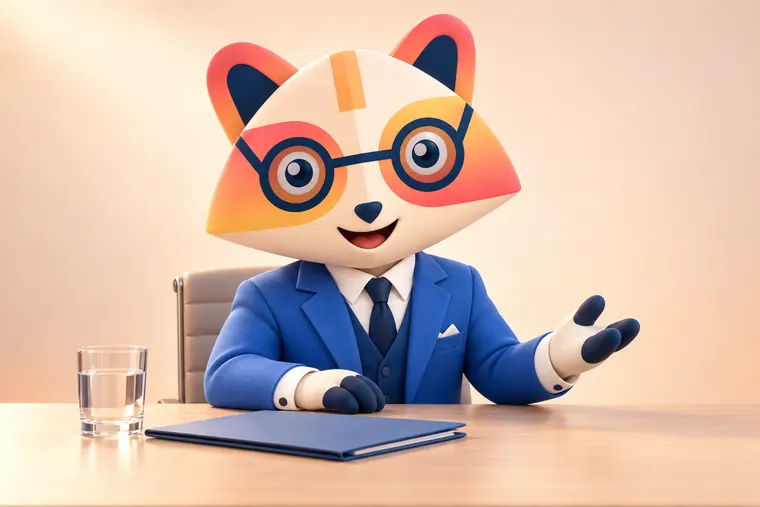

How to Deal With Interviewers Who Interrupt Constantly
Struggling with interviewer interruptions? Practice unlimited mock interviews and get instant AI feedback on your delivery and communication control.
Build unshakeable confidence—Try Huru for free now!
Why Interviewer Interruptions Happen—and What It Means for You
Few things throw job seekers off balance like an interviewer who keeps interrupting. But before frustration sets in, it’s crucial to understand why interruptions occur—and how they’re not always personal.
Common reasons include time management, clarification needs, interviewer style, or even as a test to assess your adaptability and communication control. Sometimes, it’s simply bad habits or nerves on their part. Knowing why it happens gives you a strategic edge—and prevents you from taking it personally or reacting defensively.
- ⏱️ Time Constraints: The interviewer is pressed for time and wants to move discussions along quickly.
- 🤔 Clarification: They seek clarification on a point you’re making.
- 🧑💼 Style or Habit: Some interviewers have a naturally interjectory or conversational style.
- 🎯 Testing Composure: They want to see how you handle unexpected communication challenges.
The key takeaway? Interviewer interruptions are opportunities. They reveal how you stay composed, keep your narrative clear, and demonstrate leadership—even under pressure.

Strategic Pausing: How and When to Regain the Floor
It’s easy to feel flustered when you’re cut off. But strategic pausing is your secret weapon. A deliberate pause allows the interruption to finish—then, with calm eye contact or a raised hand, you can smoothly say:
- “May I finish my thought quickly?”
- “That’s a great question—I’ll address it in just a moment.”
- “Let me complete this point, then I’ll jump right to that.”
This approach demonstrates executive presence and respect, maintaining your narrative without sounding defensive or combative. Body language matters too: lean in, keep your hands visible, and maintain a relaxed smile. For video interviews, signal control with a gentle hand gesture or by looking directly at the webcam.
| Scenario | What to Say | Body Language |
|---|---|---|
| You’re interrupted mid-answer | “May I just finish this point?” | Gentle hand raise, smile |
| Interviewer redirects with a new question | “Great question—let me address that next.” | Direct eye contact, nod |
| Virtual interview, technical overlap | “I think we overlapped—should I finish my thought?” | Look at webcam, calm voice |
💡 Key Takeaway
Don’t rush back in. A measured pause, polite phrase, and confident body language will help you regain the spotlight and steer the conversation back on track.
Reclaim Your Narrative: Structuring Answers for Communication Control
The more structured your answers, the easier it is to maintain communication control—even when interrupted. Begin with a quick overview (“There are three key points”), then signpost as you go (“First… Second…”).
- Use signposting language: “Let me start with…” / “Moving to the next point…”
- Summarize after interruptions: “Picking up where I left off, the second point is…”
- Circle back confidently: “Before we move forward, I’d like to quickly finish that thought…”
If your answer gets derailed, don’t be afraid to briefly acknowledge the interruption and redirect: “Great input—let’s tie that back to what I was saying…” This shows you’re flexible, but still in control.
Pro Tip: Practice structuring answers—and responding to interruptions—using mock interviews on Huru.ai. Huru’s real-time AI feedback helps you refine your approach until it’s second nature.
Related reading: Stop Rambling Interview Crisp Communication
Advanced Communication Tactics: Verbal, Nonverbal & Cultural Nuances
Sometimes, handling interruptions goes beyond polite phrases. Nonverbal cues can be just as effective—think of a slight hand raise, intentional posture shift, or a firm, steady gaze. In virtual interviews, a visible gesture or a quick “Let me finish this thought” in the chat can save the flow.
- In-person: Maintain open body language and calmly reclaim space by leaning in or setting your hands on the table.
- Virtual: Use clear gestures, verbal signposting, and follow up with a written summary if needed.
- Cultural note: Some cultures view interruptions as a sign of engagement; others see it as impolite. Stay observant and adapt—showing you’re emotionally intelligent and globally aware.
- Panel interviews: If multiple interviewers interject, calmly address the group and set boundaries: “I’d like to answer that, then I’ll return to the earlier question.”
Explore more: Identify Interviewer Personality Types Communication Matching
💡 Key Takeaway
Communication control is about flexibility: adapt to the situation, stay emotionally aware, and use both words and signals to guide the conversation.
Practice Makes Power: Huru’s AI Feedback for Mastering Interruptions
Preparation is the ultimate antidote to nerves. But generic prep isn’t enough: you need exposure to real interruption scenarios.
Huru.ai offers unlimited mock interviews with simulated interruptions and instant, actionable AI feedback—letting you practice regaining control, refining your delivery, and building muscle memory for high-pressure moments.
- Get real-time feedback on your tone, pacing, and interruption handling
- Practice for both in-person and virtual settings
- Track your progress and pinpoint your strengths and blind spots
Discover more: Corporate Communications Interview Questions Master Internal And External Messaging
Beyond the Interview: Following Up and Reinforcing Key Points
If you felt your main message was interrupted or lost during the interview, don’t despair—you can reclaim your narrative after the fact. Send a concise, polite follow-up email:
- Thank the interviewer for their time and engagement
- Briefly restate key points you wished to emphasize
- Address any questions or topics cut short
This demonstrates professionalism, communication control, and a genuine interest in the role. It also sets you apart from candidates who don’t follow up.
See also: Internal Communications Interview Questions Connect With Employees
💡 Key Takeaway
A strong follow-up can help you reinforce your professionalism and ensure your main points are heard—even after the interview ends.
Watch: Handling Interview Interruptions in Action
See these techniques in real time! Check out this expert video breaking down sample questions and responses for dealing with interruptions during interviews:
FAQs: People Also Ask About Interviewer Interruptions
- Q: How do I politely interrupt an interviewer who’s rambling?
A: Wait for a natural pause, then gently interject with “May I clarify something before we move on?” or “That’s a great point—may I build on that?” - Q: Is it ever okay to push back if I’m constantly interrupted?
A: Yes, with diplomacy. Acknowledge the input, then say, “I’d love to finish my response—I believe it answers your question directly.” - Q: How can I practice handling interruptions before the big day?
A: Use Huru.ai for unlimited, realistic mock interviews with instant feedback on your communication control. - Q: Do interruptions always mean I’m doing poorly?
A: Not at all! Sometimes interruptions are a sign of interest, time management, or the interviewer’s style—not your performance.
Want to sharpen your executive interview skills? Executive Communications Interview Questions Communicate With Leadership
💡 Final Takeaway
Interviewer interruptions aren’t roadblocks—they’re the perfect stage to show off your confidence, composure, and communication control. Prepare, practice, and let your best self shine!
About the Author
Elias Oconnor is a seasoned content writer at Huru.ai, specializing in career growth, interview preparation, and the power of AI for job seekers. With a passion for turning anxiety into action, Elias helps readers become confident, prepared, and ready for their next big career move.

Apr 20,2026
By Elias Oconnor