

AI Ethics Officer Interview Questions: Policy, Transparency & Accountability
 Dec 17,2025
  By Elias Oconnor

Nail Your AI Ethics Officer Interview with Huru.ai
Practice unlimited AI ethics interview questions, get instant actionable feedback, and build real confidence—free, with Huru.ai. Start your interview prep now!
Why AI Ethics Officer Interviews Matter: Setting the Standard for Trustworthy AI
With AI systems impacting millions of lives, organizations need ethics officers who can anchor responsible development and governance. The role has evolved—no longer just about identifying bias, but about operationalizing ethics into every phase of the AI lifecycle. Interviews for AI Ethics Officers are rigorous, demanding both domain expertise and practical experience. This guide prepares you for the most critical questions, frameworks, and scenarios in 2026, so you can step into the interview room with confidence.
Keywords covered: AI ethics interview, AI governance, trustworthy AI questions, AI policy, transparency, accountability.
Governance in Action: Key Policy & Oversight Interview Questions
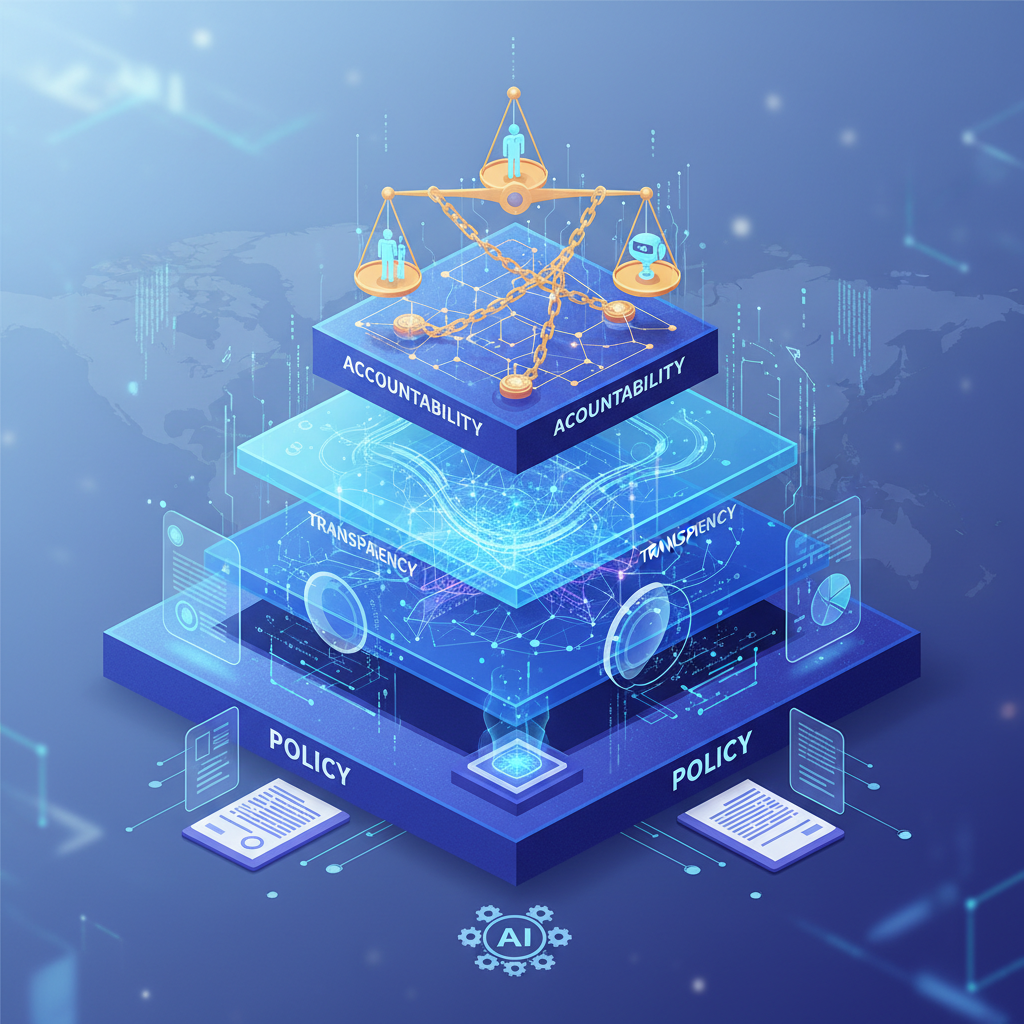
AI governance demands a delicate balance of innovation and risk control. Here are core interview questions that probe your understanding of policy, frameworks, and organizational oversight:
- How would you design an AI governance structure for a multinational organization?
- What are the key elements of a trustworthy AI governance framework?
- Describe a time you identified a policy gap in an AI initiative. What steps did you take?
- How do you ensure alignment between AI innovation and regulatory compliance (e.g., GDPR, EU AI Act)?
- What metrics or KPIs would you use to measure an organization’s AI ethics maturity?
Frame your responses with real-world examples, referencing recognized frameworks (e.g., NIST, OECD AI Principles) and actionable strategies: ethics review boards, policy triggers, regular audits, and escalation paths for high-risk systems. For a deeper dive into policy-driven interviews, see our Security Consultant Interview Questions Guide.
💡 Key Takeaway
Successful AI Ethics Officers translate ethical principles into measurable governance processes, with clear escalation paths, robust oversight, and alignment to global regulations.
Transparency at the Core: Interview Scenarios on Explainability & Disclosure
Transparency is no longer a “nice to have”—it’s a legal and ethical imperative. Interviewers will want proof that you can champion explainability across technical and non-technical teams.
- How do you ensure all stakeholders (not just data scientists) understand AI system decisions?
- Describe a time when you uncovered a lack of transparency in an AI workflow. What did you do?
- What tools or frameworks do you recommend for model explainability?
- How do you balance transparency with proprietary technology or trade secrets?
- What is your approach to documenting and disclosing model limitations and known risks?
Stand out by mentioning best practices: model cards, data sheets, XAI tooling (LIME, SHAP), regular stakeholder briefings, and user-centric documentation. Transparency is also about culture—empower teams to ask questions and challenge black-box algorithms.
Explore more on communication skills for high-stakes roles in our School Counselor Interview Questions Guide.
💡 Key Takeaway
Transparency means more than technical explainability—it’s about building confidence, trust, and accountability for all stakeholders, inside and outside your organization.
Accountability in Practice: Operationalizing Trustworthy AI
Interviewers will rigorously test your grasp of accountability mechanisms—how ethical responsibility is distributed, monitored, and enforced in real organizations.
- Describe your process for conducting an AI ethics audit. What artifacts and outcomes should the organization expect?
- How would you set up a red-flag escalation pathway for high-risk AI incidents?
- What are your go-to KPIs for continuous monitoring of AI ethics programs?
- How do you document and report ethical breaches or near-misses?
- Which stakeholders must be involved in post-incident reviews?
Cite frameworks such as DPIAs, risk registers, cross-functional review boards, and real-time monitoring dashboards. Emphasize the need for clear reporting structures, regular post-mortems, and traceable documentation.
For a technical deep-dive on server-side monitoring and escalation, check out our Backend Developer Interview Questions Guide.
💡 Key Takeaway
Accountability requires auditable processes, transparent documentation, and a culture where ethical breaches are surfaced—not buried.
Sample STAR Answers: How to Structure Your Response
Employ the STAR method (Situation, Task, Action, Result) when answering scenario-based AI Ethics Officer interview questions. Here’s a sample:
- Situation: Auditing a hiring model, you noticed underperformance for minority groups.
- Task: Identify source of bias, correct the model, and prevent recurrence.
- Action: Used AIF360 for bias detection, consulted with stakeholders, retrained model, and added new oversight checkpoints.
- Result: Improved fairness metrics and got buy-in for embedding bias checks at every ML lifecycle stage.
Pro tip: Validate your answers with references to frameworks, tools, or published best practices. Not sure where you stand? Practice unlimited STAR responses and get instant feedback with Huru.ai’s AI-powered mock interview platform.
💡 Key Takeaway
Use the STAR method. Structure and evidence in your answers demonstrate your ability to think rigorously and communicate with clarity—hallmarks of an effective AI Ethics Officer.
Mastering Trustworthy AI: Questions & Answers that Build Organizational Trust
These “trustworthy AI” questions go beyond compliance—they aim to build stakeholder confidence and robust systems.
- How do you design AI systems that are robust, secure, and resilient to adversarial attacks?
- What steps do you take to embed stakeholder feedback into the AI lifecycle?
- How would you implement ongoing monitoring for fairness and explainability post-deployment?
- What’s your approach to handling and reporting data privacy breaches?
- How do you operationalize “human-in-the-loop” controls for high-stakes AI decisions?
Demonstrate advanced understanding by mentioning adversarial testing, robust MLOps pipelines, breach response protocols, and user-centered design. For more on building trust in sensitive domains, see Occupational Therapist Interview Questions Help People Thrive.
Pro Tip: Prepare questions to ask your interviewers about their organization’s AI maturity, governance frameworks, and ethics escalation protocols. This shows you’re thinking like a leader, not just a candidate.
AI Ethics Officer Interview FAQ (2025)
- Q: What’s the difference between AI ethics, governance, and compliance?
- AI ethics focuses on moral principles (fairness, transparency, human rights), governance is the structure to enforce those principles (policies, oversight), and compliance is adherence to regulations/laws. A great AI Ethics Officer excels in all three.
- Q: What tools help operationalize trustworthy AI?
- Popular tools include IBM AIF360, Fairlearn, What-If Tool, model cards, and MLOps platforms with built-in bias and drift monitoring. Huru.ai offers unlimited AI-powered interview practice with instant feedback—an essential step for readiness.
- Q: How should I prepare for scenario-based (STAR) questions?
- Practice structuring answers with Situation, Task, Action, Result. Use real metrics and cite relevant standards or regulations. Huru.ai’s mock interviews let you record, review, and optimize your STAR responses.
- Q: What are red flags interviewers look for?
- Vague answers, lack of evidence, no reference to frameworks, or weak escalation/reporting processes. Be ready with specifics!
Watch: AI Ethics Officer Interview Prep Explained (Video)
Get Ready: Downloadable Templates & Next Steps
- DPIA (Data Protection Impact Assessment) Template
- Ethics Audit Checklist PDF
- Sample Interview Rubric for AI Ethics Officer Roles
- STAR Answer Template (Editable Doc)
Bookmark this article—and use Huru.ai to practice your responses as many times as you need, with AI-powered feedback guiding your improvement every step of the way.
💡 Key Takeaway
The best-prepared candidates don’t just answer questions—they demonstrate operational know-how, strategic vision, and a dedication to ethical AI that inspires confidence.
About the Author
Elias Oconnor is a seasoned content writer at Huru.ai, specializing in career development, interview strategy, and the intersection of technology and ethics. Elias is passionate about empowering job seekers to master high-stakes interviews in the evolving world of AI-driven work.
