Cognitive Biases Interviewers Have — And How to Use This Knowledge to Your Advantage
 Dec 28,2025
  By Elias Oconnor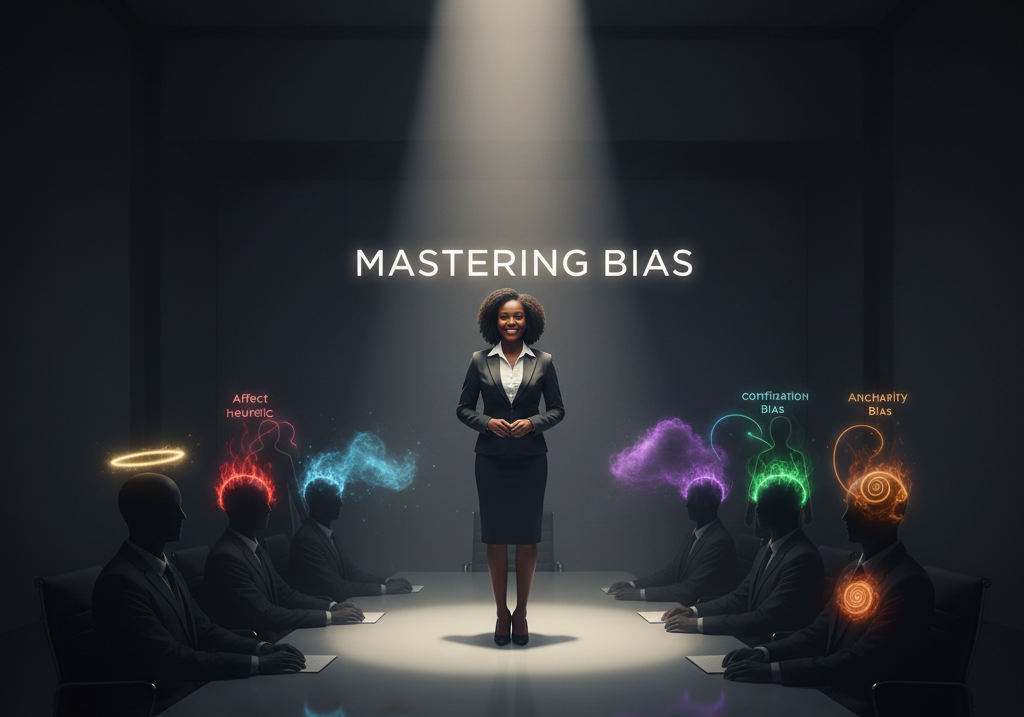
The Hidden Forces: How Cognitive Biases Shape Interviews 🧠
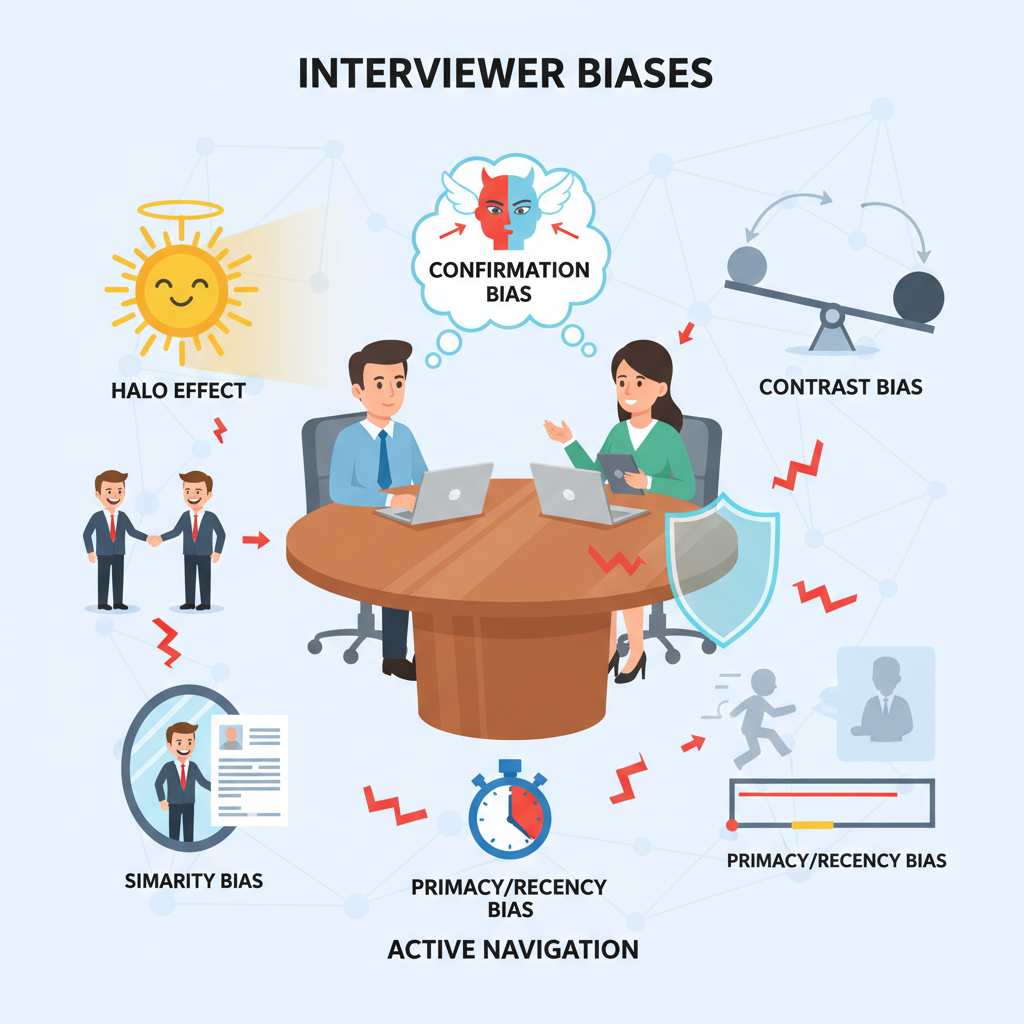
Imagine acing every question in your interview, only to lose out because the interviewer unconsciously preferred someone who reminded them of themselves, or who made a slightly better first impression. This isn’t just bad luck—it’s the result of cognitive biases that warp human judgment. From the infamous halo effect interview (where one positive trait overshadows all else) to similarity and contrast effects, interviewer biases are among the most documented, persistent challenges in hiring.
Studies from Tandfonline and Harvard Business Review reveal these biases not only influence snap judgments but often resist simple fixes. That’s why mastering this knowledge isn’t just helpful—it’s a competitive advantage for every job seeker in 2025.
- 🌟 Halo Effect Interview: One outstanding quality (flashy degree, charisma) overshadows other skills or flaws.
- 🤝 Similarity Bias: Preference for candidates who share background, interests, or demographics with the interviewer.
- 🔄 Contrast Effect: Comparing you to the previous candidate, not the job criteria.
- 🔗 Anchoring Bias: Over-relying on the first piece of information (like your resume’s opening line).
- 🔍 Confirmation Bias: Looking only for evidence that supports the interviewer’s first impression.
💡 Key Takeaway
Recognizing interviewer cognitive biases is the first step to neutralizing their impact. In 2025, understanding the halo effect and other biases is more than awareness—it’s your edge in the hiring process.
Inside the Interviewer’s Mind: Most Common Interviewer Biases
Let’s break down the most frequent cognitive bias hiring pitfalls and what they mean for you as a candidate:
| Bias Name | What It Looks Like | Impact on You |
|---|---|---|
| Halo Effect | One strong trait or achievement colors all perceptions (e.g., top university = top performer) | You may be overlooked if your best traits aren’t immediately obvious |
| Similarity Bias | Preference for candidates who share hobbies, education, or background | Your uniqueness may be undervalued, or you may be unfairly favored |
| Contrast Effect | Judging you against the previous candidate, not the job requirements | Your interview can suffer or benefit based on random scheduling |
| Anchoring Bias | Overweighing the first thing they learn about you (resume opener, first answer) | First impressions matter more than they should |
| Confirmation Bias | Looking for evidence that fits their first impression of you | Hard to correct a negative or overly positive first impression |
Want to learn more about the types of biases shaping modern hiring? Explore Ai Hiring Bias Opportunities Ethical Interviews for an in-depth look at AI’s ethical challenges.
Outsmarting the Halo: Strategic Self-Presentation
You can’t control an interviewer’s psychology, but you can shape how they see you. Here’s how to leverage cognitive bias hiring insights to your advantage:
- Lead with Impact: Start your answers with your most powerful, relevant achievement—the earlier, the better.
- STAR Method Always: Structure every response (Situation, Task, Action, Result) for clarity and objectivity.
- Preempt the Halo Effect: If you have a standout trait, briefly connect it to job-specific skills. If you lack a prestige cue, immediately highlight evidence of competency.
- Provide Artifacts: Offer work samples, portfolios, or demos. Encourage interviewers to review these objective pieces.
- Redirect Small Talk: If the conversation veers into personal similarities, politely steer it back to your professional fit and relevant skills.
For even more on effective storytelling, check out Resume Storytelling Captivate Hiring Managers With Your Narrative.
The Science of First Impressions: Breaking the Bias Cycle
First impressions aren’t just folklore—they’re rooted in psychology and neuroscience. Research shows most interviewers form a strong opinion within the first 30 seconds. This is why managing your opening, body language, and even your video call background can make or break your chances.
Quick tips to break the bias cycle:
- Maintain confident but warm eye contact, whether in-person or virtually.
- Dress slightly above the typical office norm for your industry.
- Use a neutral, well-lit background on video calls; explain distractions proactively if needed.
- Prepare a concise, criteria-focused elevator pitch that links your skills directly to the job.
- Ask if you can provide a sample project or case solution for objective evaluation.
Learn how predictive AI and skills-based hiring can influence these first impressions in Future Of Hiring Predictive Ai Skills Based Recruitment.
Huru.ai’s Edge: Practicing Against AI, Not Human Bias 🤖
Traditional mock interviews with friends or mentors can still be influenced by their own biases—sometimes reinforcing the very patterns you want to overcome. That’s where Huru.ai transforms your prep. Our platform provides unlimited, structured, AI-powered feedback that’s objective, actionable, and tailored to help you ace interviews in today’s bias-prone landscape. Here’s how Huru stands out:
- Instant, Unbiased Feedback: Get real-time insights on your answers, body language, and communication style.
- Unlimited Practice: Rehearse common and tricky questions until your skills are second nature.
- Bias-Aware Scoring: Our AI highlights where you might trigger (or fall victim to) the halo effect or other biases.
- Evidence-Based Recommendations: Improve with tips grounded in the latest hiring science—far beyond generic advice.
Want to see Huru’s AI in action? Try a free mock interview now.
Actionable Playbook: Stand Out, Stay Authentic
Here’s your step-by-step plan to outsmart interviewer biases in any hiring process:
- Start Strong: Open with your most objective, role-specific achievement. (Think: measurable result + your unique role.)
- Use Structured Responses: Stick to STAR or PAR (Problem-Action-Result) formats to keep answers clear and focused.
- Proactively Offer Proof: Bring work samples or suggest a job-relevant task to move the conversation beyond personality or background.
- Ask for Structure: Politely check if the interviewer uses a rubric. (“Would you like me to walk through a recent project using a specific framework?”)
- Follow Up Like a Pro: Send a concise thank-you email linking your skills to criteria discussed—reinforcing your fit even after the interview.
Q: How can I tell if I was affected by bias in an interview?
A: If feedback is vague (“not a culture fit”), or you notice small talk focused more on hobbies/background than skills, bias may be at play. Use follow-up emails to professionally re-anchor attention on your skills and achievements.
Q: Can AI interviews be biased?
A: Yes, if the AI’s data or design isn’t carefully managed. Platforms like Huru.ai are built with bias-awareness in mind and regularly review algorithms for fairness. Learn more in The Future Of Hiring How Ai Is Transforming The Job Interview Landscape.
💡 Key Takeaway
Outsmarting hiring bias doesn’t mean faking who you are. It means controlling your narrative, leading with evidence, and practicing until your true skills shine above any unconscious filter.
Further Reading, Resources & FAQs
- Read: The Research on Unconscious Bias in Hiring
- Explore: Interview Rubric Scorecard Hiring Managers for how standardization helps reduce bias
- Deep Dive: Cognitive Bias in Recruitment and Selection
Watch this expert video for more strategies:
For more job-winning prep, sign up at Huru.ai and get feedback that’s free of bias, every time.
Elias Oconnor is a content writer at Huru.ai with a passion for making job seekers unstoppable. Blending science, tech, and actionable advice, Elias helps readers master the art (and science) of the modern interview—one practical blog at a time.
