

10 Filler Words To Avoid in a Job Interview (2025) – Speak With Confidence!
 Jan 13,2023
  By Elias Oconnor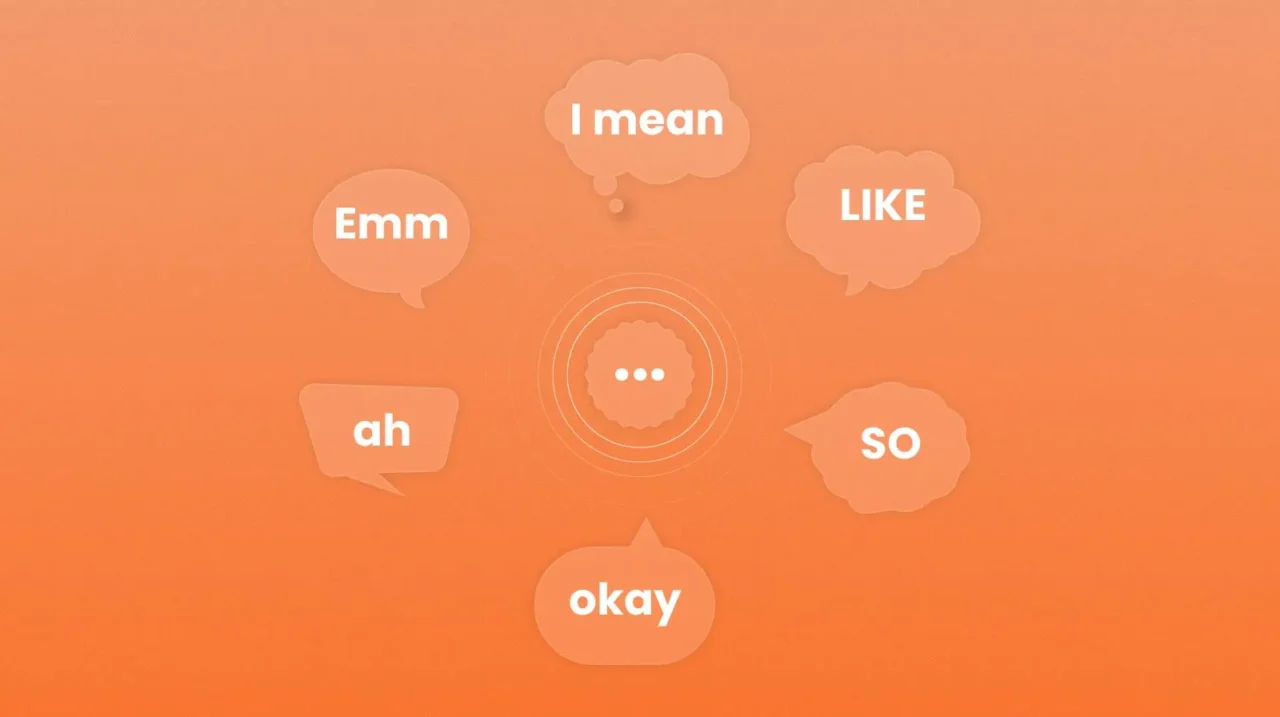

Practice unlimited mock interviews and get instant, AI-powered feedback with Huru.ai. Build real confidence—start for free today!
The Science Behind Filler Words: Why Do We Use Them?
Filler words—think um, like, you know—are linguistic crutches that sneak into our speech, especially during high-pressure moments like job interviews.
But why do we use them? They often emerge as our brains race to organize thoughts, buy time, or manage nerves. While they’re normal in casual conversation, overusing fillers in interviews can signal insecurity, lack of preparation, and reduced credibility.
- Nervousness causes your brain to fill gaps in speech.
- Thinking on your feet leads to hesitations you try to mask.
- Social habits from everyday conversation spill into formal settings.
Fact: Research shows interviewers rate candidates more favorably when they avoid excessive filler words, associating clear speech with confidence and leadership potential.

Filler Words That Sink Your Interview: The Dirty 10
Below are the 10 most damaging filler words and phrases that can derail your professional image in any interview. Recognize them—and eliminate them for good!
| Filler Word/Phrase | Why It Hurts | Confident Alternative |
|---|---|---|
| Um, Uh, Er, Ah | Signals hesitation; appears unprepared | Pause briefly, then speak |
| Like | Dilutes message; seems immature | Use precise language; omit completely |
| You know, Right | Seeks validation; lacks authority | State facts directly |
| Really, Very, Totally, Literally | Vague; weakens statements | Be specific and assertive |
| Just | Minimizes your achievements | Drop the word or use “I contributed” |
| Basically, Simply | Oversimplifies; seems evasive | State point clearly |
| I mean, I guess | Hedging; sounds uncertain | Be direct |
| That’s a good question | Stalls; feels rehearsed | Pause, then answer directly |
| So, Well | Unnecessary; wastes time | Speak with purpose |
| Yeah, Alright, Okay | Overly casual | Acknowledge professionally |
“Um, so, you know, I basically helped the team with, like, project management.”
Confident Version:
“I assisted the team with project management.”
How Fillers Impact Perceptions of Confidence and Leadership
Excessive fillers don’t just make you sound uncertain—they can cost you the job.
Employers look for:
- Confidence—clear, direct speech shows self-assurance
- Communication skills—essential for leadership at every level
- Preparedness—smooth answers reveal practice and presence
Studies show: Candidates who minimize fillers are rated as more competent, confident, and persuasive.
For more on projecting confidence, see How To Nail A Job Interview.
💡 Key Takeaway
Every unnecessary filler word chips away at your authority. Replace them with thoughtful pauses and clear, direct language to stand out in any interview.
Strategies To Eliminate Fillers: Actionable Interview Prep
- Practice structured responses—Use the STAR method (Situation, Task, Action, Result) to organize thoughts, reducing the urge to stall.
- Record yourself—Replay and mark every filler. Awareness is the first step!
- Slow down—Take a breath before answering. Silence signals composure, not weakness.
- Replace with powerful words—Think “I achieved” instead of “I just…”
- Get feedback—Ask friends, mentors, or use AI tools for objective critique.
- Practice with real questions—Use mock interviews to simulate pressure and improve.
💡 Try Huru’s AI-powered mock interviews for unlimited practice and instant, personalized feedback.
For tips on pacing your speech, don’t miss Pace: The Optimal Articulation Rate In A Job Interview.
Interview Mastery With Huru: AI-Powered Feedback for a Filler-Free Conversation
Imagine having an expert coach at your fingertips—one that never tires, listens without judgment, and offers actionable, data-driven suggestions. That’s the power of Huru.ai.
- Instant AI feedback pinpoints exactly where you use fillers.
- Unlimited practice means you can rehearse answers until you’re truly confident.
- Custom question sets let you target your weaknesses, from rambling to hesitation.
- Backed by the latest AI interview science.
Whether you’re a recent grad or a seasoned executive, Huru transforms your interview anxiety into unshakeable confidence.
Real-World Success: From Fillers to Flawless
Countless job seekers have transformed their communication by tackling fillers head-on—often with a little help from technology and practical strategies.
Case Study: Priya, a marketing graduate, struggled with “like” and “um” in every answer. After a week of AI-driven mock interviews, she received immediate, actionable feedback. By interview day, her responses were crisp, confident, and filler-free.
Next Steps:
- Record yourself answering common interview questions.
- Note patterns and set small goals (e.g., one fewer filler per answer).
- Request feedback from peers or mentors—or use Huru’s instant AI feedback for objective insights.
For more real-world interview prep stories, see New Grad Nurse Interview Questions Land Your First Job With Confidence and Pr Agency Interview Questions Land Your Dream Job.
💡 Key Takeaway
Erasing filler words can give your answers immediate impact. Practice relentlessly, embrace feedback, and let Huru.ai be your guide to interview mastery.
Watch: How to Eliminate Filler Words in Interviews
FAQs: Your Top Filler Word Questions—Answered
A: Occasional, subtle fillers are natural in speech. The problem is overuse. Strive for concise, confident responses—and practice to keep fillers minimal.
A: Awareness is step one. Record, review, and replace. Use tools like Huru to get instant analysis and targeted practice.
A: Yes—especially for roles that demand strong communication. Excessive fillers can undermine your credibility, confidence, and leadership potential.
A: Try Huru.ai for instant AI feedback. Or ask a trusted peer to listen and tally your filler word usage.
A: Absolutely. A slower pace gives your brain more time to organize thoughts, reducing the impulse for fillers—and projecting calm authority!
💡 Key Takeaway
With deliberate practice and AI-powered feedback, you can transform nervous habits into powerful, professional communication. Start mastering your interview skills today!
Explore More Interview Excellence
About the Author
Elias Oconnor is a content writer for Huru.ai, specializing in career development, interview mastery, and AI-powered job search solutions. Passionate about empowering job seekers to communicate with confidence, Elias brings the latest research, storytelling, and actionable advice to every article.
