

The Role of AI in Reducing Hiring Bias (and Where It Still Fails)
 Dec 13,2025
  By Elias Oconnor
Practice unlimited interviews for free at Huru.ai and receive instant, actionable AI feedback—start mastering your interview today!
1. The State of AI Hiring Bias in 2025: Progress and Pitfalls
Artificial Intelligence (AI) continues to revolutionize how companies hire in 2025. But with opportunity comes challenge: AI hiring bias remains one of the most scrutinized topics in talent acquisition, impacting candidate experience, diversity, and organizational risk. This year, organizations are increasingly aware of both the promise and pitfalls of AI-powered hiring:
- AI enables faster, data-informed screening—yet without oversight, it can quietly replicate or even amplify historical biases.
- Emerging regulations (US, EU, MENA) require transparency, fairness audits, and candidate appeal rights for AI tools.
- Leading organizations now implement continuous bias testing and support their teams with both human/AI oversight to ensure more equitable outcomes.
The critical question: How can organizations harness AI’s speed and scale, while minimizing risk and maximizing fairness?
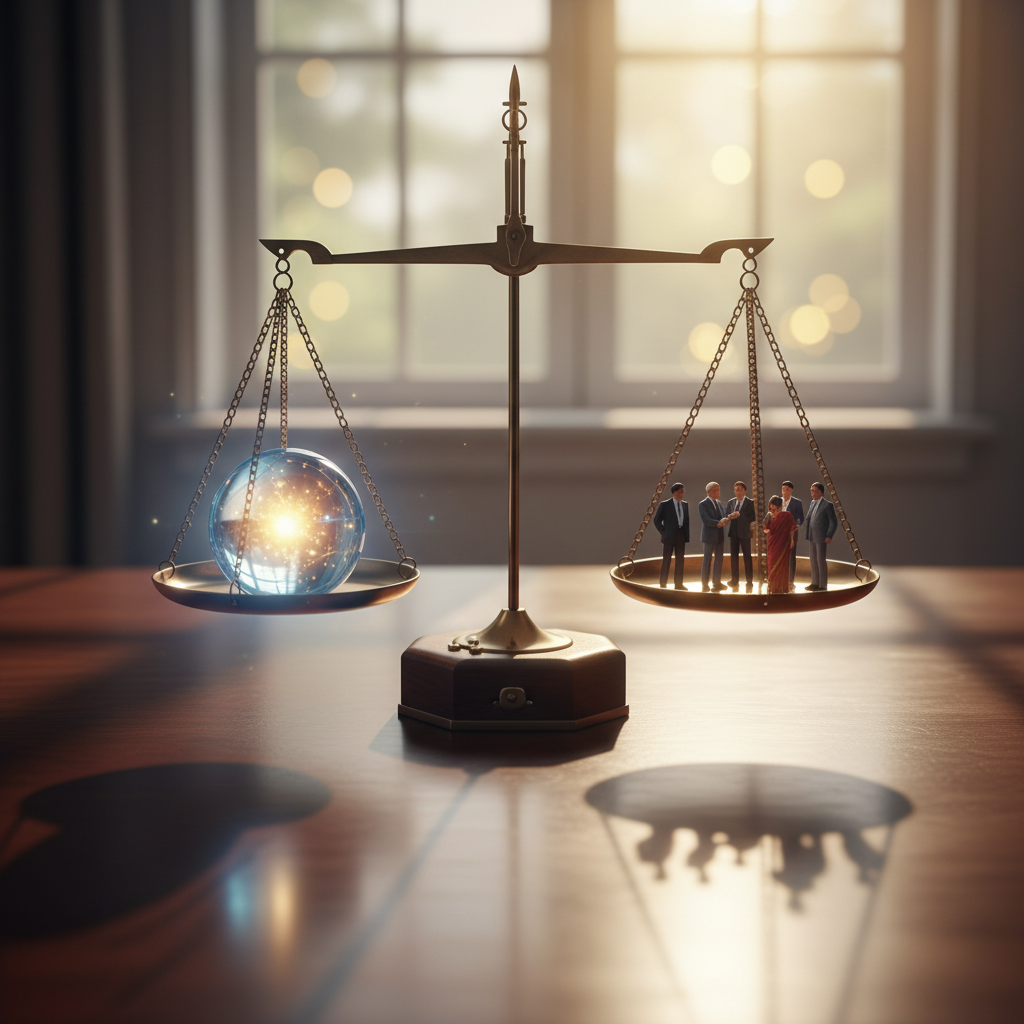
2. How AI Bias Creeps In: Unpacking the Hidden “Failures”
Despite their sophistication, AI systems can inadvertently introduce or perpetuate bias at several stages of the hiring funnel:
- Biased Training Data: AI learns from historical data. If past hiring records reflect bias (e.g., underrepresentation, language patterns), the AI may perpetuate these trends.
- Hidden Proxies: Features such as university, location, or even hobbies can act as subtle stand-ins for protected attributes, sneaking bias into decisions.
- Opaque Algorithms: Black-box models can make it difficult to trace or challenge unfair outcomes.
- Lack of Human Oversight: Treating AI recommendations as infallible can cause teams to mirror algorithmic bias (“automation bias”).
For example, a highly qualified engineer from a non-traditional background may be unjustly screened out if an AI model overweights traditional credentials. This is why ethical ai interviews must be a priority in any forward-thinking hiring strategy.
💡 Key Takeaway
AI is not neutral, but it can be made fairer with deliberate design, oversight, and feedback. Organizations must treat bias prevention as an ongoing process—not a one-time fix.
3. Opportunities: Where AI Excels in Driving Diversity in Hiring
Done right, AI is a force-multiplier for diversity in hiring—helping companies uncover hidden talent, remove human bias, and widen candidate pools. Here’s how the best-in-class hiring teams are leveraging AI today:
- Anonymized Screening: Redacting names, photos, and schools at the first stage to prevent “resume bias.”
- Skills-First Assessment: Evaluating candidates on practical challenges and rubric-based scoring, not pedigree.
- Continuous Bias Audits: Automated and third-party audits to ensure outcomes remain fair across demographics.
- Explainable AI (XAI): Transparent algorithms that provide clear, candidate-facing explanations for every decision.
- Wider Talent Discovery: AI-powered sourcing tools that spotlight candidates from underrepresented backgrounds.
Want to see how AI is transforming the job interview process? Dive deeper in our guide: The Future Of Hiring: How AI Is Transforming The Job Interview Landscape.
💡 Key Takeaway
AI isn’t just a risk—it’s an opportunity to reimagine hiring for fairness, inclusion, and transparency. Organizations embracing ethical AI interviews are seeing measurable gains in workforce diversity and candidate experience.
4. Building Ethical AI Interviews: A Practical 2025 Roadmap
To mitigate risk and maximize benefit, companies must embed ethics and fairness into their AI hiring pipelines—end to end. Here’s a blueprint for success, based on 2025’s best practices and newest research:
- Skills-First Design: Start with job blueprints tied to competencies. Use standardized work samples and behavioral anchors—this is critical for fair evaluation (see also Interview Rubric Scorecard for Hiring Managers).
- Diverse & Curated Data: Train and validate AI models on datasets that reflect your target workforce and scrub for historical bias.
- Continuous Fairness Checks: Define fairness metrics (demographic parity, equal opportunity), set thresholds, and run regular automated bias audits.
- Explainability & Candidate Rights: Use XAI to deliver transparent reasons for every decision. Give candidates access to explanations and appeal mechanisms.
- Human Oversight: Anonymize first-pass screening, mandate human review for adverse actions, and train reviewers in bias recognition.
- Red-Teaming: Regularly stress-test systems with simulated edge cases and adversarial inputs to reveal hidden biases.
- Localization & Accessibility: Adapt tools for language, culture, and neurodiversity to prevent exclusion.
Huru.ai is designed to support ethical hiring every step of the way. With unlimited interview practice, instant feedback, and communication skill analysis, candidates (and organizations) can surface and correct bias—building confidence on both sides of the table. Try it now.
5. Q&A: What Job Seekers and Employers Are Asking in 2025
Let’s tackle the most urgent questions around AI hiring bias and ethical AI interviews—drawn from both candidates and talent leaders:
- Does using AI in hiring always increase bias?
No—if designed and monitored well, AI can actually reduce human bias, especially with anonymized review and skills-first scoring. But vigilance is essential. - How can candidates protect themselves from AI bias?
Tailor your resume using skills-based language, practice interviews on platforms like Huru.ai, and research the company’s fairness policy. - Is it legal for companies to use AI for hiring?
In most jurisdictions, yes—but new laws increasingly require transparency, fairness audits, and candidate rights. Employers must stay updated on compliance (see also Compliance Officer Interview Questions). - What are the top metrics for tracking AI fairness?
Demographic parity gap, false positive/negative rates by group, and interview pool diversity. Regularly audit and publish these metrics.
6. Table: AI Bias Mitigation Checklist (2025 Edition)
7. Watch: Expert Panel on AI Bias and Ethical Hiring (2025)
For practical insights and policy trends, watch this panel discussion from Stanford Law School’s UN AI for Good Law Track Conference. The discussion covers current research, legal requirements, and how companies can balance innovation with fairness in AI hiring:
💡 Final Thoughts: The Future of Ethical AI Interviews
AI hiring bias in 2025 is a challenge—but also a catalyst for building more just, inclusive organizations. By adopting ethical AI interviews and rigorously addressing bias, companies not only protect their brand and comply with regulations, but unlock the full richness of human talent. Smart hiring isn’t only about efficiency—it’s about equity, transparency, and sustained growth.
If you’re a candidate, remember: practicing interviews on a fair, feedback-rich platform like Huru.ai can help you prepare for any AI-augmented process and boost your confidence for the future of work.
About the Author
Elias Oconnor is a content writer at Huru.ai, passionate about AI innovation, ethical hiring, and empowering every job seeker to shine. He crafts research-backed resources to help organizations and candidates thrive in the future of work. Explore more at Huru.ai.
- The Psychology Of Resumes: How To Influence Hiring Managers
- Resume Storytelling: Captivate Hiring Managers With Your Narrative
- The Future Of Hiring: How AI Is Transforming The Job Interview Landscape
- Future Of Hiring: Predictive AI & Skills-Based Recruitment
- Interview Rubric Scorecard For Hiring Managers
- Compliance Officer Interview Questions: Uphold Ethical Standards
