

Special Education Teacher Interview Questions 2026: Advocate for All Learners (Expert Guide)
 Aug 01,2024
  By Elias Oconnor
 The provided HTML content contains a YouTube video embed with the ID D6BuH40zXyY. This video is accessible and embeddable. Here is your updated HTML content with a working video embed:

Turn Interview Anxiety into Confidence! 🎯
Start unlimited, realistic special education teacher interview practice on Huru.ai—get instant AI-driven feedback on your answers, communication, and confidence for free. Don’t just hope you’re ready—know you are!
Why Advocacy Matters in Special Education Interviews (And How to Prove It) 🛡️
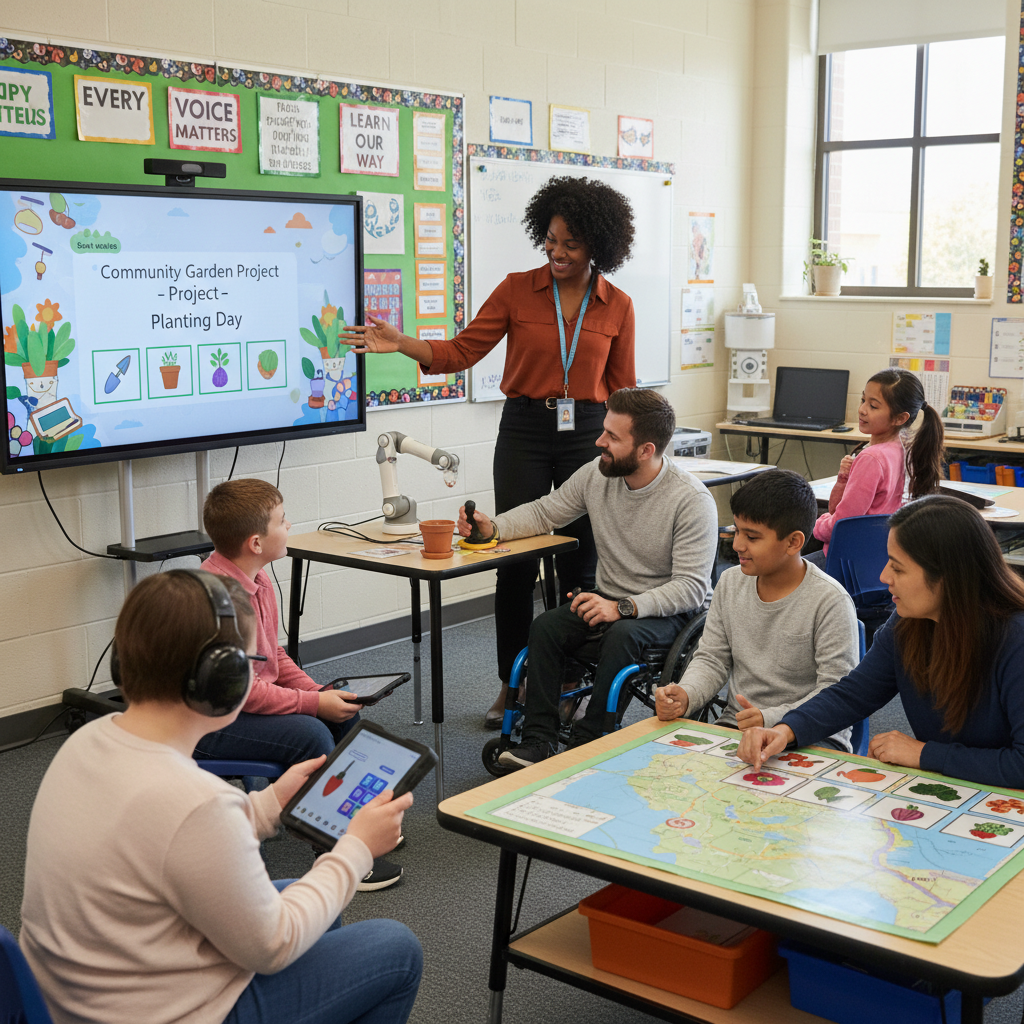
Advocacy isn’t just a buzzword in special education—it’s the backbone of your profession. Administrators are looking for teachers who passionately champion every student’s right to succeed. Whether you’re supporting a child with dyslexia, autism spectrum disorder, or complex needs, your ability to advocate makes you a stand-out candidate in 2026.
In interviews, advocacy comes alive when you:
- Share real stories of going the extra mile for students’ IEPs or accommodations
- Explain how you collaborate with parents, therapists, and general educators
- Demonstrate knowledge of legal frameworks (IDEA, ADA, Section 504)
- Showcase your use of assistive technology and differentiated instruction
💡 Tip: Don’t just say you’re an advocate—prove it with examples and outcomes! (Not sure how? Huru’s instant feedback helps refine your advocacy stories for max impact.)
2025’s Most Asked Special Education Teacher Interview Questions (with Model Answers)
Interviewers in 2026 want to see not just your knowledge, but your heart, resilience, and adaptability. Here are the categories—and sample answers—to expect (with insight from top-ranked sources and expert advice):
1. Differentiation & Lesson Planning
Q: How do you modify lesson plans for students with varying abilities?
A: “I use Universal Design for Learning (UDL) to create flexible goals and assessments. For example, if a student needs visual aids or assistive tech, I incorporate those tools from the start. I also regularly check in with students and families to adjust strategies as needed.”
2. IEP Development & Compliance
Q: Can you walk us through your approach to developing and monitoring IEP goals?
A: “I collaborate closely with the IEP team—including parents, therapists, and general educators—to set SMART goals. Progress is tracked through regular data collection, and I use digital platforms to share updates with families transparently.”
3. Behavior Management & Emotional Regulation
Q: Describe a time you handled a behavioral crisis in class.
A: “I rely on de-escalation techniques and a calm demeanor. Recently, when a student became overwhelmed, I used a sensory break, visual schedules, and positive reinforcement to help them regain control, ensuring their dignity was upheld throughout.”
4. Advocacy & Ethical Dilemmas
Q: Share an example where you had to advocate for a student’s needs against resistance.
A: “When a student’s request for AAC tech was initially denied, I provided research, documented need, and involved the IEP team until the right supports were secured. The student’s communication skills blossomed as a result.”
5. Collaboration & Conflict Resolution
Q: How do you handle disagreements with parents or colleagues?
A: “I prioritize open communication and active listening. When conflicts arise, I focus on shared goals for the student and seek win-win solutions, sometimes involving a mediator if needed.”
💡 Key Takeaway
Scenario-based questions are increasing in 2026! Practice with real-life classroom dilemmas and ask follow-up questions to demonstrate problem-solving, empathy, and advocacy skills. Try Huru’s scenario question generator for unlimited practice!
Want more interview question breakdowns? Check out Teacher Interview Questions Inspire The Next Generation for broader tips on educational interviews.
Scenario-Based Mastery: How to Shine When the Unexpected Happens 🎭
Hiring panels increasingly use behavioral and scenario-based questions to gauge your real-world composure, critical thinking, and advocacy. Here’s how to ace them:
1. Use STAR or CAR Methods: Structure your answers around Situation, Task, Action, Result or Context, Action, Result.
2. Highlight Advocacy: Always mention how you advocated for equity and inclusion—be specific!
3. Be Honest About Growth: Interviewers appreciate candor about mistakes and learning moments. (See Huru’s Learning From Mistakes guide for more.)
Example Scenario:
“A parent disagrees with your recommended accommodations. What do you do?”
Sample Answer: “I listen to their concerns without judgment, share data illustrating student need, and work together to find a compromise that keeps the student at the center of decisions.”
Tech-Savvy Advocacy: Embracing Assistive Technology & Digital Tools in 2026
Interviewers want to know you’re up-to-date on the latest digital solutions. Here’s what to highlight:
- Experience with AAC devices, speech-to-text tools, and reading apps
- Using online IEP management platforms for real-time collaboration
- Supporting students with virtual learning tools and gamified interventions
Don’t forget to mention how you stay current—by attending webinars, joining professional networks, or practicing on platforms like Huru.ai that simulate digital interview environments.
Staying Resilient: Self-Care & Professional Growth for Special Education Teachers 🧘
Special education is rewarding but challenging. Administrators know burnout is real—expect questions like:
“How do you maintain emotional balance and resilience in a demanding role?”
Answer: “I practice mindfulness, seek mentorship, and participate in professional learning communities. Reflecting regularly on successes (and setbacks) helps me stay motivated and continuously improve.”
Q&A: Your Burning Questions About Special Education Teacher Interviews—Answered!
A: Authentic stories, scenario-based answers, and a strong advocacy mindset. Plus, confidence—practice aloud, ideally with Huru.ai!
A: Over-generalizing. Always make your answers student-centered and specific to the roles’ unique challenges.
A: Draw on transferable skills—advocacy, collaboration, emotional intelligence. Use Huru’s AI-powered practice for feedback on your pitch!
A: Yes: Practice with real interview questions on Huru.ai. Seeing instant feedback on your delivery can quickly boost your confidence!
Watch: Scenario-Based Interview Questions in Action (2025)
💡 Key Takeaway
Practice is power. Use Huru.ai’s unlimited practice feature to rehearse answers, refine your stories, and walk into your interview ready to advocate for every learner.
Further Reading: Take Your Interview Prep Deeper
About the Author
Elias Oconnor is a content writer at Huru.ai, specializing in career tech, interview mastery, and educational leadership. He’s passionate about empowering educators and job seekers with clear, actionable strategies to land their dream roles.
